
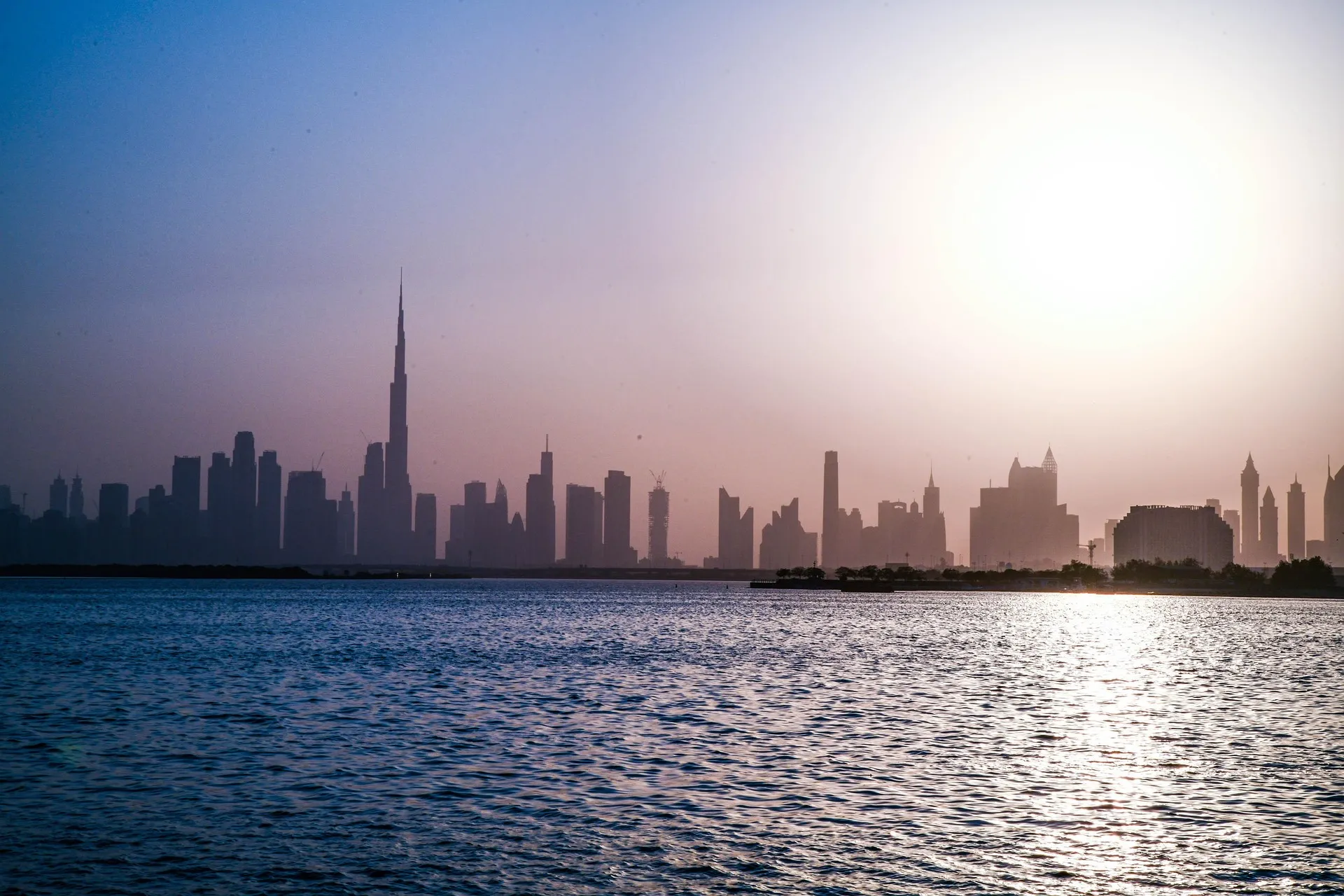

Dubai Travel Guide 2026 helps travelers explore one of the world’s most iconic destinations, known for luxury skyscrapers, desert adventures, beaches, and cultural experiences. This complete Dubai travel guide covers everything you need to plan your trip, including top attractions, transport, hotels, budget tips, and must-visit places for first-time visitors.
Dubai is one of those cities that sounds almost too good to be true. Tallest building on earth. Ski slopes inside a mall. Gold ATMs. Luxury hotels on artificial islands. And yet, millions of people visit every year and come back saying it actually lives up to the hype.
But here is the thing: most travel blogs do not tell you. Dubai is also genuinely easy to mess up. Go in the wrong season, and the heat will make you miserable. Skip the budget research, and you will overspend without realizing it. Miss a few cultural rules, and you will feel out of place.
This guide gives you the real picture. Updated for 2026, with the latest visitor numbers, new attractions, honest costs, and the kind of advice that actually saves your trip.
Quick Facts: Dubai at a Glance (2026)
| Detail | Info |
|---|---|
| Country | United Arab Emirates (UAE) |
| Currency | UAE Dirham (AED) — 1 USD = ~3.67 AED |
| Language | Arabic (English widely spoken) |
| Time Zone | GMT+4 (no daylight saving) |
| Best Time to Visit | November to March |
| Cheapest Time | June to September |
| Busiest Airport | Dubai International (DXB)—the world’s busiest airport for international passengers |
| Visitors in 2025 | 19.59 million international overnight visitors |
| Hotel Occupancy (2025) | 80.7% |
| Average Daily Budget | AED 300–600 (budget) / AED 900–1,500 (mid-range) |
| Visa on Arrival | Available for US, UK, EU, and many other nationals |
| Alcohol | Available in licensed hotels, bars, and restaurants only |
| Dress Code | Modest in public—cover shoulders and knees outside malls/beaches |
Why Visit Dubai in 2026
Dubai just had its third straight record-breaking year. In 2025, the city welcomed 19.59 million international visitors, up 5% from the year before. January 2026 alone saw nearly 2 million arrivals.
The city is still expanding fast. New hotels are opening. New metro lines are under construction. And despite some slowdown in early 2026 due to regional tensions, Dubai remains fully open, safe, and operational.
What makes Dubai worth visiting right now? A few things stand out:
The world’s tallest hotel just opened. Ciel Dubai Marina towers over everything else in the skyline. Jumeirah Marsa Al Arab debuted in 2025 and already ranks among the world’s top 50 hotels.
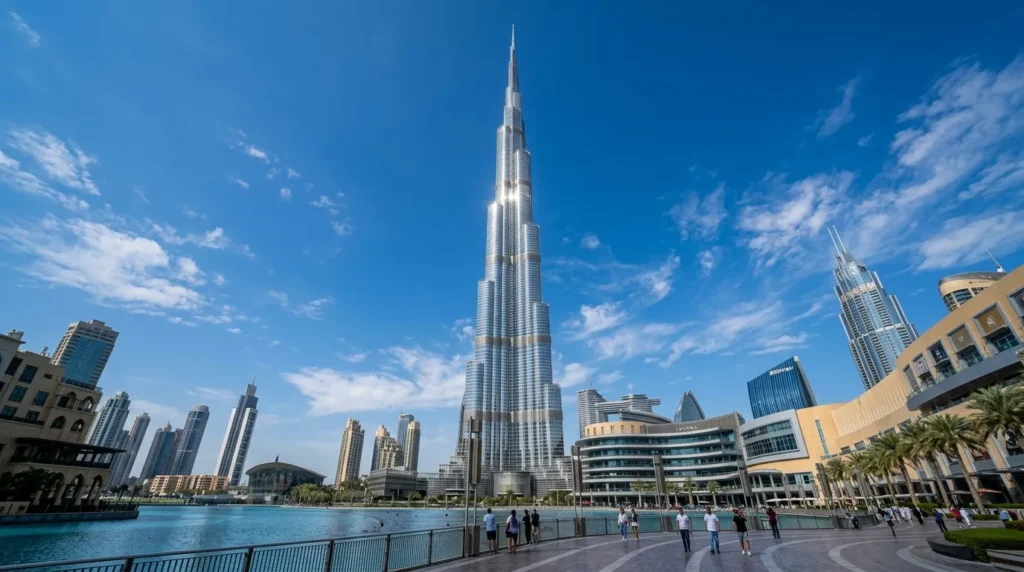
The Burj Khalifa still delivers the best skyline view on earth, and it never gets old. The Dubai Mall attracts 100 million visitors a year, making it the most visited building in the world. And the food scene, often overlooked, is now genuinely world-class, with over 200 nationalities living in the city.
Best Time to Visit Dubai
Peak Season (November to March): This is the golden window. Temperatures sit between 20 and 28 degrees Celsius, perfect for outdoor activities, beaches, and desert safaris. Hotels are more expensive during this period, and crowds are larger, but the experience is at its best.
Shoulder Months (April and October): Temperatures start climbing in April and cooling again in October. You get manageable weather with slightly lower prices. A solid option if peak season rates feel too high.
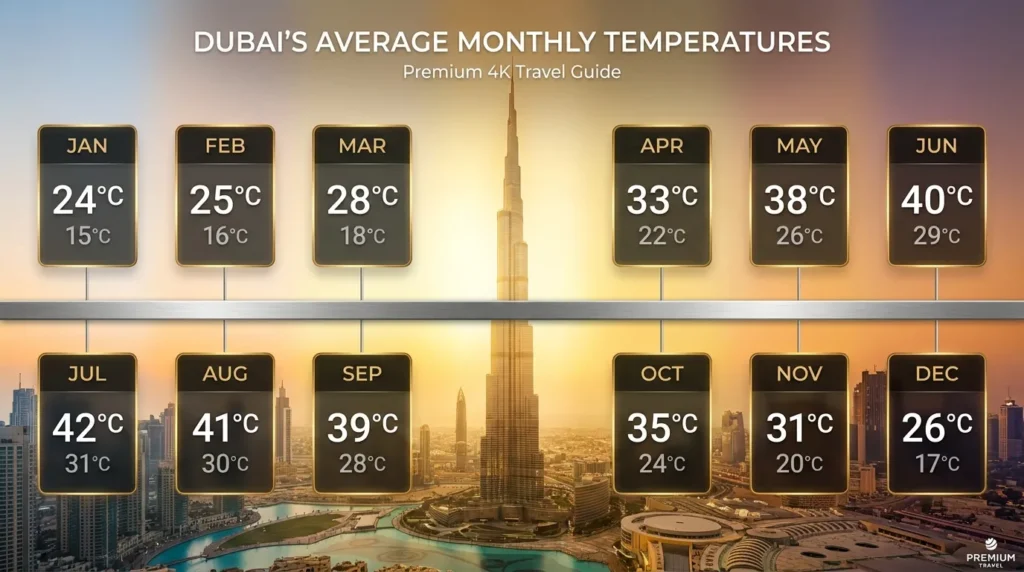
Off-Season (May to September): Hot. Very hot. Temperatures regularly hit 40 to 45 degrees Celsius, with high humidity making it feel worse. Most outdoor activities are not enjoyable. That said, hotels drop their rates significantly, malls are quieter, and indoor attractions work perfectly. If you do not mind the heat and want to save money, it is doable.
May sits right at the start of the hot season. Temperatures in late May average around 37 to 39 degrees Celsius. Not the most comfortable, but hotel prices are dropping, flights are cheaper, and the city is less crowded. If you are visiting indoor-focused itineraries, May can work.
How to Get to Dubai: A Dubai Travel Guide
Dubai International Airport (DXB) is the world’s busiest airport for international passengers. In 2025, it served over 70 million guests. Getting there from almost anywhere is straightforward.
From the USA: Direct flights connect New York, Los Angeles, Houston, and Chicago to Dubai. Flying time is around 13 to 14 hours. Emirates and United Airlines cover this route regularly.
From the UK and Europe, London Heathrow to Dubai is one of the busiest routes in the world. Typical flight time is around 7 hours. Budget carriers from Europe also serve Dubai well.
Booking tip: Avoid flying during the Dubai Shopping Festival season (January–February) or the New Year—prices spike. Book 8 to 12 weeks ahead for the best rates.
Book your flights to Dubai at the best available price here before dates fill up.
And before you travel, make sure you know your passenger rights. If anything goes wrong with your flight, read our guide on exactly what to do when a flight gets cancelled.
Where to Stay in Dubai
Dubai has over 647 hotels as of early 2026. The area you pick shapes your whole trip.
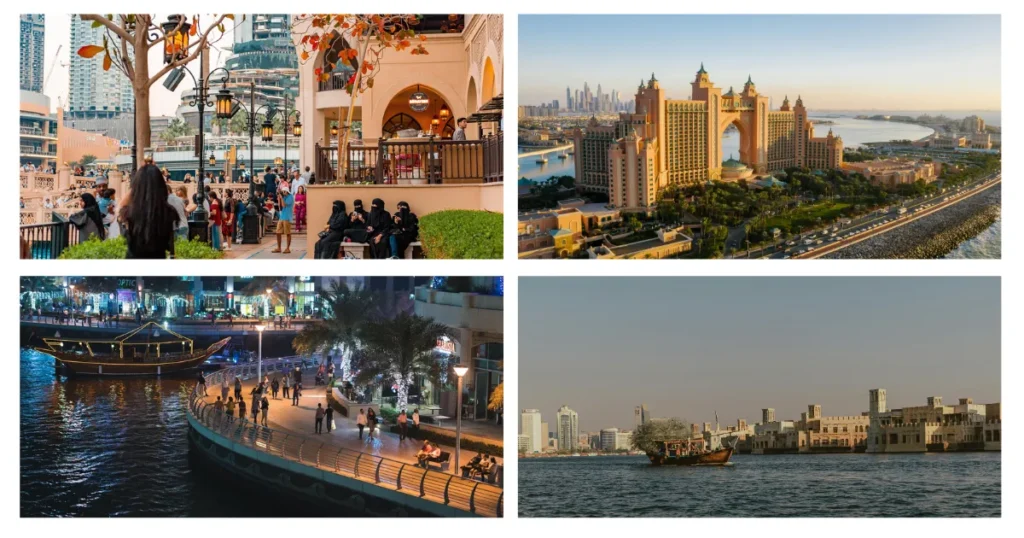
Downtown Dubai: The most iconic location. You are walking distance from the Burj Khalifa, Dubai Fountain, and Dubai Mall. Premium prices, but central to everything. Best for first-timers.
Dubai Marina: Great for a younger crowd. Beautiful waterfront, lots of restaurants and nightlife, easy metro access. Strong value at mid-range prices.
Deira (Old Dubai): The most budget-friendly area. Budget hotels from AED 120 per night. Close to the Gold Souk, Spice Souk, and the Dubai Creek. More authentic local feel compared to the glitzy new districts.
Palm Jumeirah: For a splurge stay. The Atlantis, One&Only, and now the Waldorf Astoria Lusail are all on or near the Palm. Expensive but genuinely beautiful.
Bur Dubai: A solid mid-range base. Affordable hotels, easy metro connections, and a mix of old Dubai culture with modern facilities. AED 150 to 250 per night is realistic.
Top Things to Do & Dubai Travel Guide
Burj Khalifa: The tallest building on earth still deserves its spot at the top of every Dubai itinerary. Level 124 tickets cost around 169 AED. Level 148 (the premium experience) runs about 399 AED. Book online in advance to avoid long queues and get better prices.
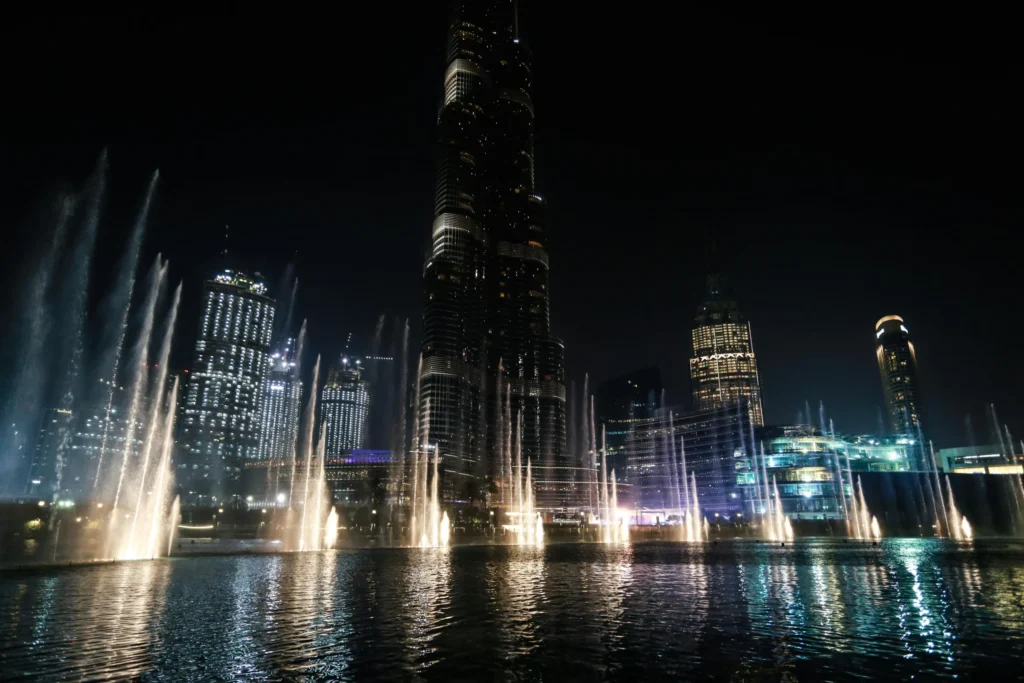
Dubai Mall and Dubai Fountain: The mall is massive and free to walk around. The Dubai Fountain show outside runs every evening and is completely free. It is one of the most impressive light-and-water shows in the world.
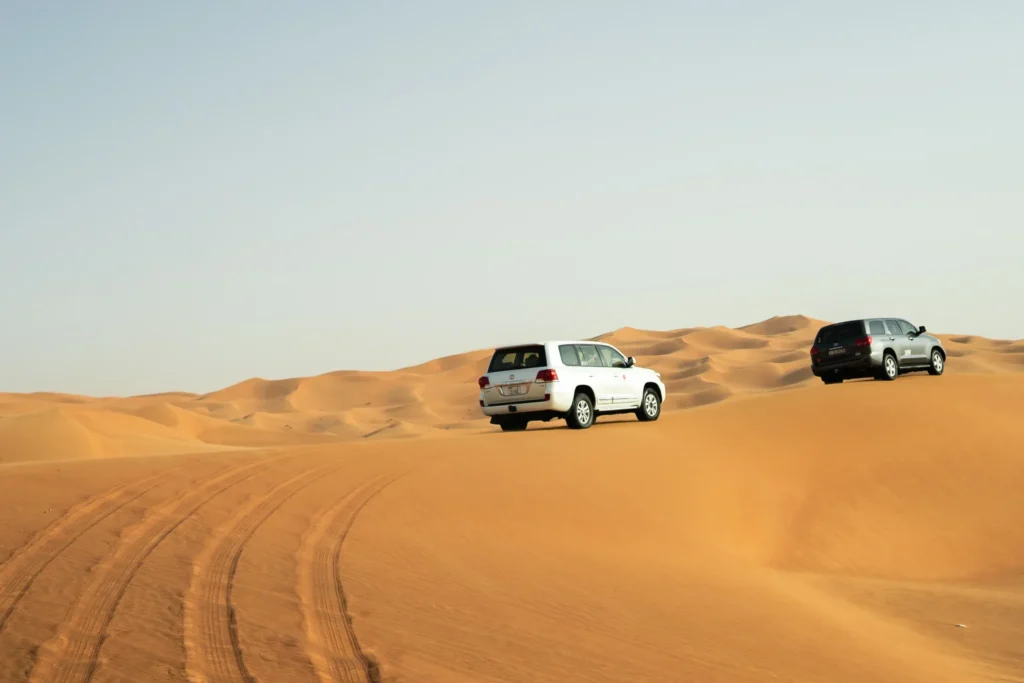
Desert Safari: A non-negotiable Dubai experience. Evening desert safaris include dune bashing, sandboarding, camel rides, and a dinner under the stars. Budget around AED 150 to 300 per person for a quality experience.
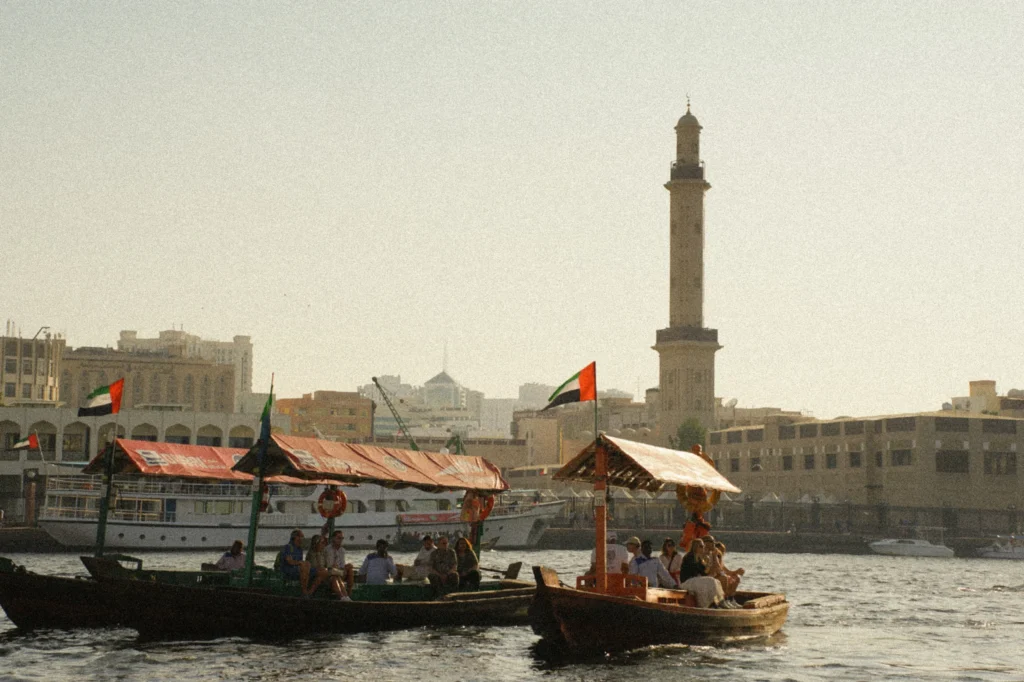
Dubai Creek and Old Souk: Ride an abra (traditional wooden boat) across the Creek for 1 AED. Browse the Gold Souk and Spice Souk. This part of Dubai is old, atmospheric, and genuinely different from the gleaming skyscraper side of town.
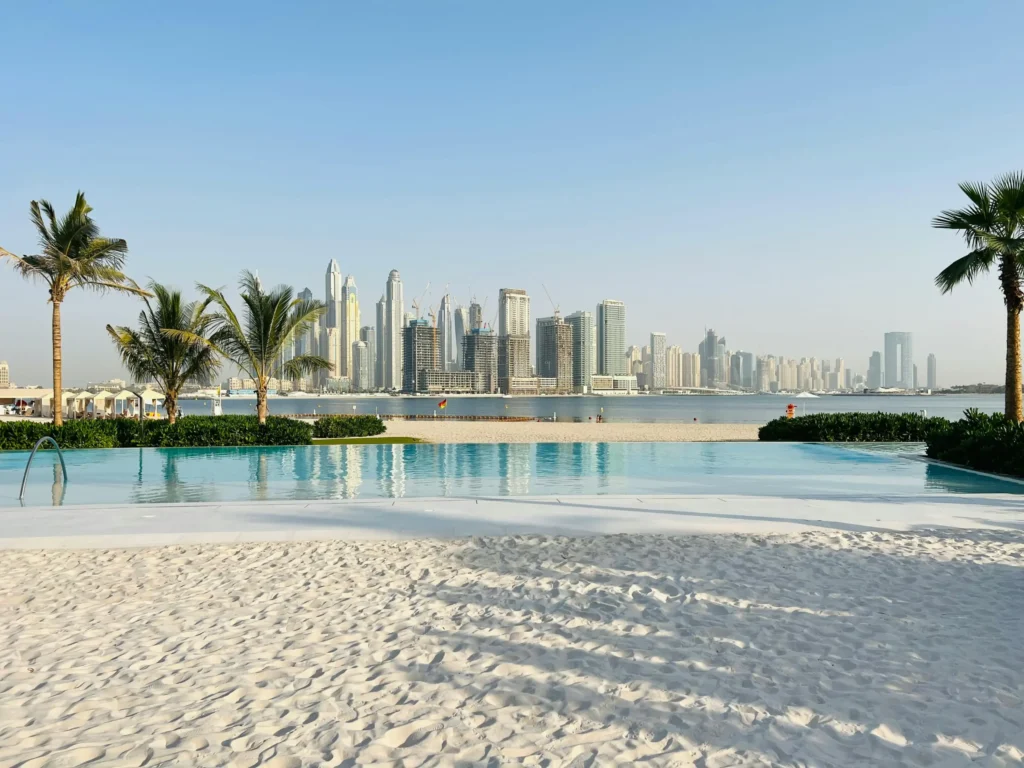
Jumeirah Beach: A clean public beach, free to access, with perfect views of the Burj Al Arab. Go in the early morning or late afternoon to avoid the heat.
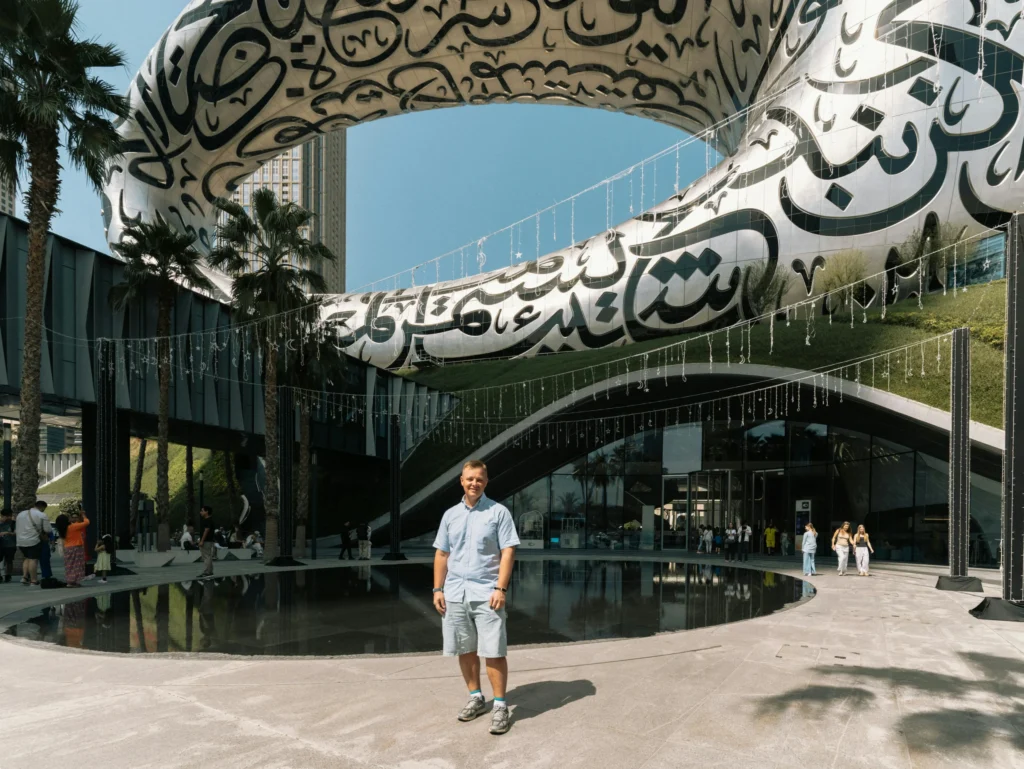
Dubai Frame: A giant picture frame structure that literally frames old Dubai on one side and new Dubai on the other. Tickets are around 50 AED. Underrated and worth it.
Hidden Gems in Dubai
Alserkal Avenue (Al Quoz): Dubai’s creative district. Independent art galleries, coffee shops, and indie restaurants inside converted warehouses. Nobody talks about it enough.
Dubai Creek Harbour: A newer development with stunning views of the city skyline and far fewer tourists than Downtown. Great for photography.
La Mer: An open-air beachfront area with independent restaurants, street food, and a cool, laid-back vibe. Much less crowded than JBR.
Deira Fish Market: Get there early on a weekday morning. Loud, busy, colorful, and completely local. The opposite of everything else in Dubai.
Al Fahidi Historical Neighborhood: Old Dubai wind-tower architecture, small alleyways, art cafes, and the Dubai Museum. Free to walk around and genuinely charming.
Sample Itineraries
3-Day Dubai Itinerary
Day 1: Arrive, check in, visit Dubai Mall, watch the Dubai Fountain at sunset, and go up Burj Khalifa at dusk.
Day 2: Morning at Jumeirah Beach, Dubai Frame at midday, Al Fahidi Historical Neighborhood in the afternoon, and evening desert safari.
Day 3: Gold Souk and Spice Souk in the morning, an abra ride across the Creek, a Dubai Marina walk in the evening, and dinner at a waterfront restaurant.
5-Day Dubai Itinerary
Add Day 4: Palm Jumeirah and Atlantis water park. Day 5: Alserkal Avenue, La Mer, Global Village (if in season), departure.
Realistic Budget Guide for Dubai 2026
Dubai has a reputation as a luxury destination, and that reputation is deserved. But it is also more affordable than most people think if you know where to look.
| Category | Budget | Mid-Range | Luxury |
|---|---|---|---|
| Hotel (per night) | AED 120–250 | AED 400–800 | AED 1,200+ |
| Meals (per day) | AED 50–80 | AED 150–300 | AED 500+ |
| Transport (per day) | AED 15–25 (metro) | AED 50–100 | AED 200+ |
| Activities (per day) | AED 50–150 | AED 200–400 | AED 600+ |
| Total per day | AED 300–500 | AED 800–1,500 | AED 2,500+ |
Budget-saving tips that actually work: Use the metro and NOL card instead of taxis. Eat at local restaurants in Deira or near metro stations where main dishes cost AED 15 to 30. Buy Burj Khalifa tickets online, not at the door. Visit the Dubai Fountain for free instead of paying for a boat tour.
Food Guide: What to Eat in Dubai
Dubai’s food scene reflects its population. Over 200 nationalities live here, so you can find almost anything.
Shawarma: AED 8 to 15 from street-level spots in Deira. Genuinely excellent.
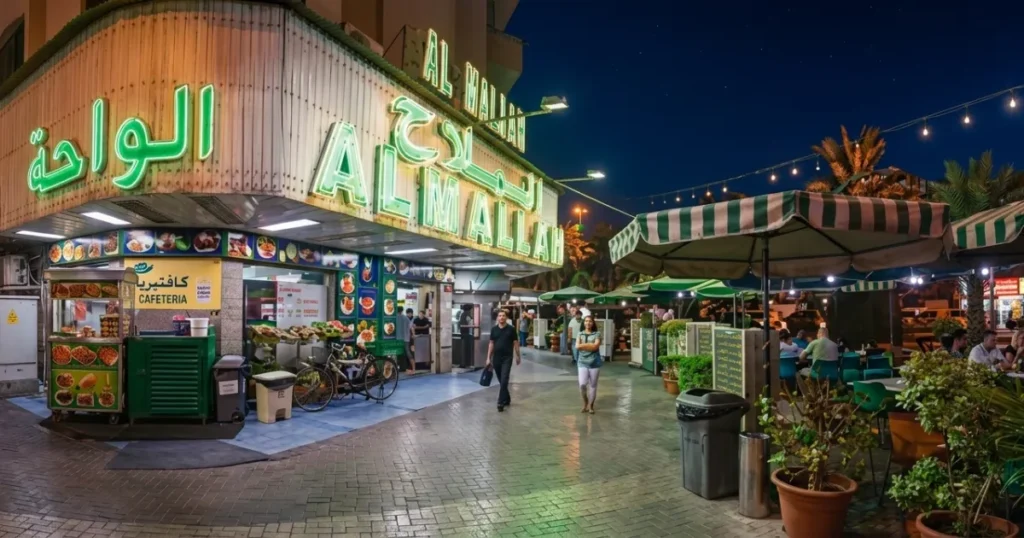
Al Mallah Restaurant (Satwa area): Legendary local spot. Juices, shawarmas, and Arabic breakfasts at local prices.
Ravi Restaurant (Satwa): Cheap Pakistani food beloved by Dubai residents for decades. A plate of biryani costs around AED 20.
Jumeirah Fishing Harbour fish restaurants: Grilled fresh fish, simple and very good.
Dubai Mall Food Court: Expensive but a convenient mix of everything. Budget AED 60 to 80 per person here.
If you enjoy alcohol with meals, drink only in licensed hotel restaurants and bars. Drinking in public or outside licensed venues is not legal.
Getting Around Dubai
Metro: The most tourist-friendly transport option. The Red Line covers all major attractions: Burj Khalifa, Mall of the Emirates, Dubai Marina, and the airport. Buy a Nol card for around AED 25 and load credit. Fares run AED 2.50 to 4.50 per journey.
Taxis: Widely available. RTA taxis are cream-colored. A 10 km ride costs roughly AED 20 to 30. Use Careem or Uber for upfront pricing.
Abra: Traditional wooden boat across Dubai Creek. AED 1 per crossing. One of the best value experiences in the city.
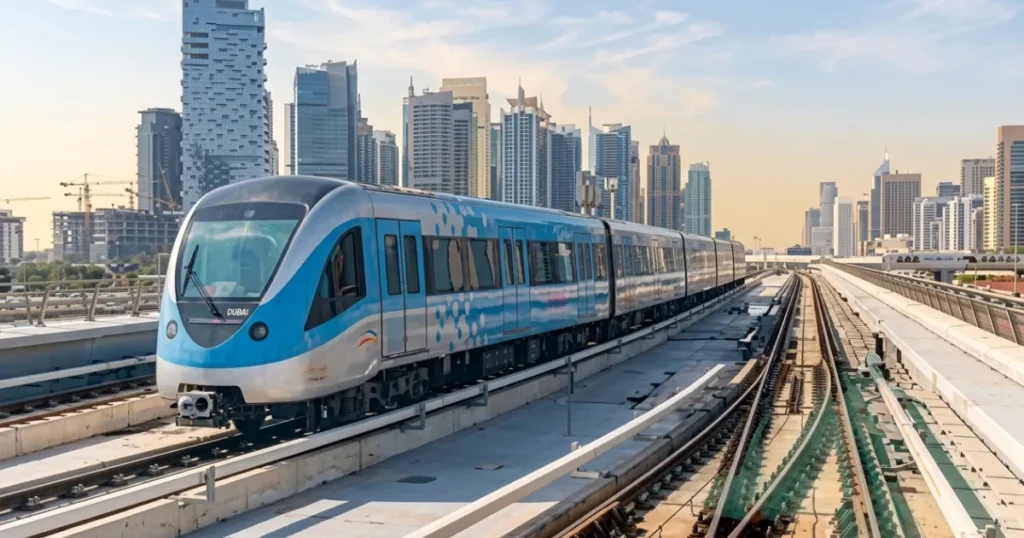
Metro Blue Line (under construction): Dubai is building a new 30 km metro line connecting 14 stations. The Blue Line is a Dh20.5 billion project expected to open on September 9, 2029. It will link Dubai Creek Harbour, Academic City, and Al Rashidiya with the existing Red and Green lines.
Safety and Common Scams in Dubai
Dubai is one of the safest cities in the world for tourists. Violent crime is extremely rare. That said, some situations catch visitors off guard.
Dress code: Be respectful in public spaces. Avoid swimwear outside beaches and hotels. Clothing should cover the shoulders and knees in malls, souks, and religious sites.
Photography: Do not photograph government buildings, military sites, or people (especially women) without permission.
Alcohol rules: Only drink in licensed venues. Never walk outside with alcohol in hand.
Taxi scams: Always use the meter or a fixed-price app like Careem. Some unofficial taxis overcharge tourists significantly.
Fake gold: Cheap fake gold is common in some souk areas. If you are buying, go to a reputable shop and check prices by weight.
Travel scams are a real concern for tourists everywhere. Before your trip, read our guide on 10 dangerous travel scams targeting tourists so you know what to watch for.
Dubai Travel Guide Tips Most Tourists Do Not Know
Pack light and smart. Dubai is extremely well-stocked with pharmacies, malls, and shops. You rarely need to bring things you can easily buy here. Before you leave home, check our list of 15 things travelers forget to pack and make sure you are covered.
Friday is a holy day in Dubai. Many businesses open late on Friday mornings. Plan activities accordingly.
Ramadan affects Dubai significantly if your trip overlaps. During Ramadan, eating and drinking in public during daylight hours is not permitted. Some restaurants and attractions operate on reduced hours. That said, Ramadan in Dubai is a unique and beautiful experience if you approach it respectfully.
The Dubai Pass or Go City card can bundle multiple attraction tickets and save you 20 to 30 percent if you plan to visit 4 or more paid attractions.
Download the Careem app before you land. It saves time and removes the guesswork from transport costs.
Packing for Dubai’s heat? Our free packing list generator builds a custom checklist based on your trip length and season.
What Tourists Regret Not Knowing
Not booking Burj Khalifa in advance. The difference between booking online (AED 130 to 169) and buying at the door (AED 200+) is significant. Queues can also run 90+ minutes without a timed entry.
Visiting the desert in peak midday heat. Always do desert activities in the early morning or after sunset.
Not exploring Old Dubai. Many tourists spend all their time in Downtown and Marina and miss the Creek, Deira, and the historical neighborhoods. These are the most authentic parts of the city.
Underestimating indoor cooling. Malls are very cold. Most Dubai locals carry a light jacket inside shopping centers.
Frequently Asked Questions
Is Dubai safe for solo female travelers? Yes. Dubai is one of the safest cities in the world for women. Harassment is rare, and the police presence is strong. Solo female travel is normal and widely practiced here.
Do I need a visa for Dubai? US, UK, EU, Australian, and many other nationals receive a free visa on arrival valid for 30 days. Always check the latest entry requirements on the official UAE visa portal before booking.
What currency should I bring? UAE Dirhams (AED). ATMs are widely available. 1 USD equals roughly 3.67 AED. Cards are accepted almost everywhere.
Is Dubai good for families? Very much so. Legoland, Motiongate, IMG Worlds of Adventure, the Dubai Aquarium, KidZania, and numerous indoor play areas make it highly family-friendly.
Is tipping expected in Dubai? Tipping is not mandatory but appreciated. 10 to 15 percent at restaurants is standard. Taxi drivers are usually just rounded up.
Can I drink alcohol in Dubai? Yes, in licensed hotel bars and restaurants. Not in public spaces or unlicensed venues.
How many days do you need in Dubai? Minimum 3 days to hit the major highlights. 5 to 7 days for a comfortable, unhurried experience.
Final Verdict: Is Dubai Worth It in 2026?
Yes. Dubai is absolutely worth visiting in 2026, with one condition: go in with accurate expectations.
It is not just about luxury. It is a functional, modern, diverse city with world-class infrastructure, incredible food, and experiences that genuinely do not exist anywhere else on earth.
If you time your trip right (November to March or the shoulder months), book smart, use the metro, eat where locals eat, and take the time to explore Old Dubai alongside the glittering towers, you will leave having had one of the best city trips of your life.
Essential Travel Resources
- Book flights to Dubai: Find the best prices here
- Official tourism info: Visit Dubai
- UAE visa requirements: UAE Government Portal
- Dubai on Wikipedia: Dubai Wikipedia Page
- Flight disruption guide: What to do if your flight is cancelled
- Packing checklist: Things travelers forget to pack
- Stay scam-aware: 10 dangerous travel scams targeting tourists