
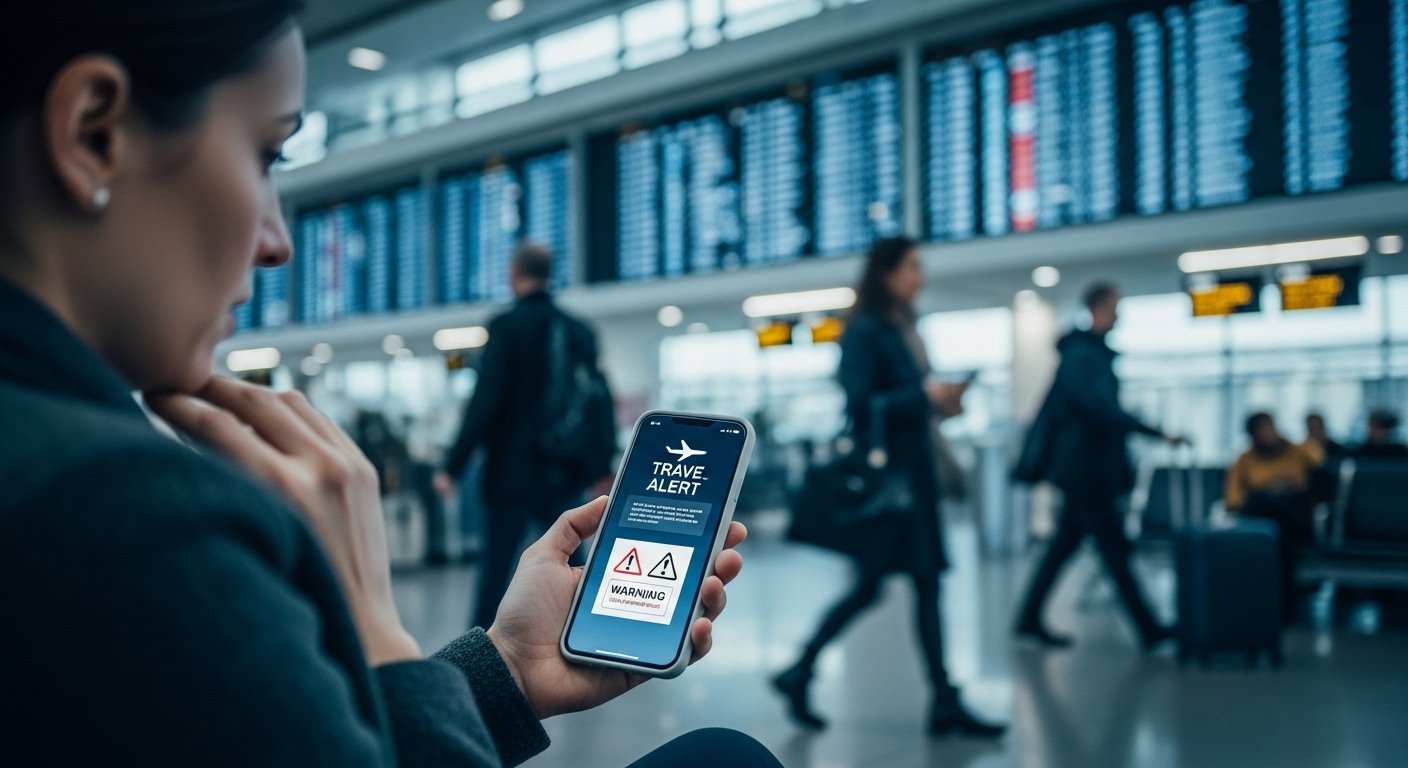
Travel today looks smooth on the surface. Apps book flights in seconds. QR codes replace paper tickets. Digital wallets handle payments across borders. That convenience comes with a shadow side. Scammers have followed tourists into every phone, inbox, and booking screen.
This guide explains the common travel scams to avoid in 2026, with a strong focus on the new digital travel scam methods now spreading worldwide. You will learn how these scams work, how real travelers get trapped, and what simple steps reduce your risk before and during any trip.
This is not fear driven advice. It is practical knowledge based on how travel actually works right now.
Why travel scams are increasing worldwide in 2026
Travel scams are not new. What has changed is speed, scale, and realism.
Scammers now use the same tools travelers trust. Booking platforms, social media ads, AI written emails, cloned airline websites, and fake customer support chats all play a role. A travel scam today often looks exactly like a real service until money is gone.
Global tourism data from recent years shows a full recovery of international travel. More first time travelers, remote workers, and digital nomads mean more targets who rely heavily on online systems. Scammers adapt fast to new rules, new visas, and new travel tech.
The key pattern is simple. Wherever travelers rush, scammers wait.
The most common digital travel scams to avoid in 2026
Fake booking websites and cloned apps
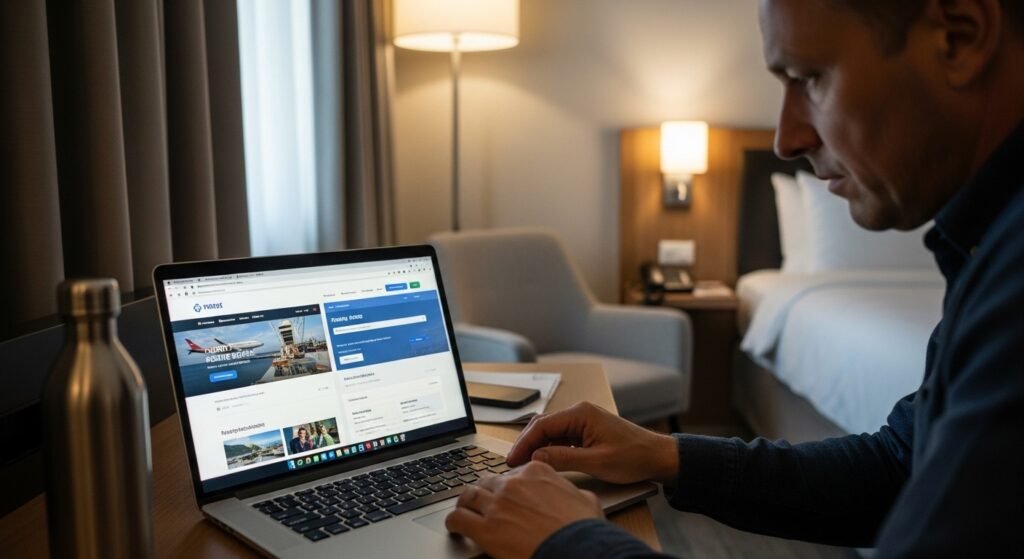
One of the most common travel scams to avoid starts before the trip even begins.
Scammers create websites that look almost identical to real airline, hotel, or rental platforms. The logo is right. The colors match. The checkout page works. The only difference is ownership.
A traveler searches for cheap flights or last minute hotels. A sponsored link appears. The price looks slightly better than usual. Payment goes through. No confirmation email arrives, or it looks strange. Customer support never responds.
This travel scam often targets global travelers because fake sites can copy brands used everywhere.
How to protect yourself
Always type official website addresses manually or use trusted apps already installed. Check spelling in the URL carefully. One extra letter or missing word is a warning sign. Avoid deals that look just a bit too perfect.
AI powered phishing emails phishing emails and messages
Phishing is no longer sloppy or full of errors. In 2026, many travel scam messages are written with clean language, correct branding, and urgent tone.
Common examples include
Airline says your flight is cancelled and needs immediate action
Hotel claims a payment issue and asks you to reconfirm details
Visa or entry system requests document upload through a link
These messages often arrive after you book travel, which makes them feel real. That timing is not luck. Data leaks and tracking pixels help scammers know when to strike.
How to protect yourself
Never click links in travel related emails or messages. Open the official app or website separately and check alerts there. Real companies never ask for full card details or passport scans by email or chat.
Fake customer support on social media
Many travelers now contact airlines and hotels through social media comments or messages. Scammers know this and monitor public posts.
You post a complaint about a delayed flight. Within minutes, an account with the airline logo replies and asks you to send a message. The account looks real but is not verified. They offer quick refunds or compensation and request details.
This travel scam drains money or steals identity data.
How to protect yourself
Only interact with verified accounts. Look for platform verification badges and cross check usernames. Real support never moves payment handling to private chat apps.
On the ground travel scams tourists still fall for
QR code scams in public places
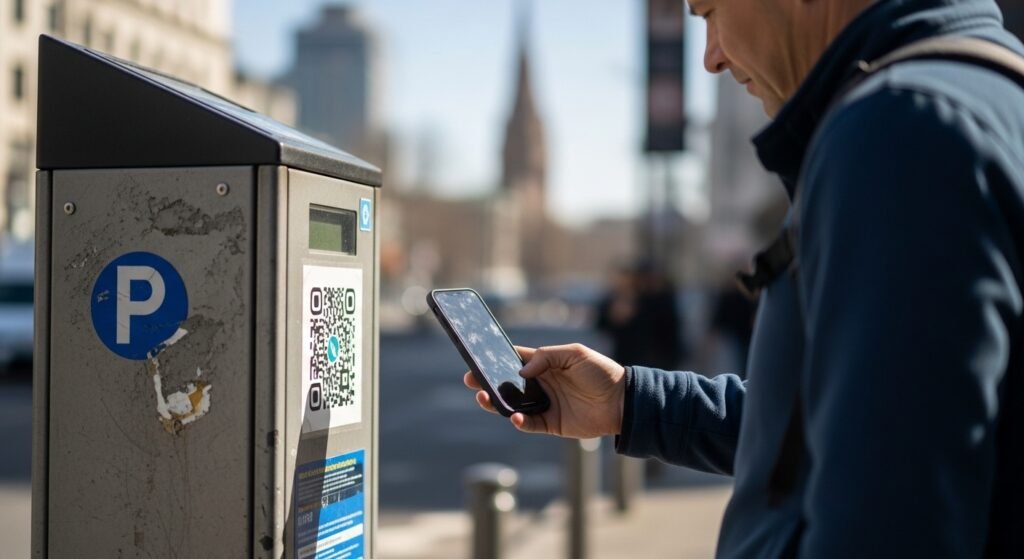
QR codes now appear everywhere. Restaurants, transport hubs, museums, parking meters, and hotels use them daily.
Scammers place fake QR stickers over real ones. A traveler scans the code and lands on a payment page or login screen that steals information.
This travel scam is growing fast in major tourist cities across Europe, Asia, and North America.
How to protect yourself
Avoid scanning random QR codes in public spaces. Use official apps or ask staff directly. If a page asks for sensitive data without strong reason, close it.
Fake taxis and ride hailing traps
In busy airports and train stations, fake drivers still operate. Some copy ride hailing branding. Others offer fixed prices that jump later.
The digital version includes fake ride booking apps or cloned driver profiles that ask for payment outside the platform.
How to protect yourself
Use official transport desks or verified apps only. Never pay a driver directly through links or external payment requests.
Currency exchange and payment tricks
Some travel scams rely on confusion rather than technology.
Examples include
Incorrect change given deliberately
Dynamic currency conversion charging extra without clear consent
Card terminals switched to charge higher amounts
These scams target tired travelers who do not double check.
How to protect yourself
Pay in local currency when possible. Watch the terminal screen before approving. Keep small bills for cash payments.
Travel scams tied to visas, entry rules, and documents
Fake visa and entry authorization websites
As more countries use online entry systems, scammers create fake application sites that rank high in ads or search results.
They charge inflated fees or collect personal data. Travelers often discover the problem only at the airport.
This travel scam is global and especially dangerous because it affects legal entry.
How to protect yourself
Apply only through official government portals. Avoid third party services unless clearly authorized. Check domain endings carefully.
Internal linking opportunity
A detailed guide on how to verify official visa websites would fit naturally here.
Fake travel insurance policies
Scammers sell insurance that looks valid but offers no coverage. Documents appear professional. Claims go unanswered.
This often targets long term travelers and digital nomads.
How to protect yourself
Buy insurance from known providers. Verify policy numbers directly on the insurer’s website. Avoid social media offers.
How to spot a travel scam before money is lost
Scams differ, but warning signs repeat.
Pressure to act fast
Requests for payment outside official systems
Unusual spelling in website addresses
Customer support that avoids clear answers
Deals that bypass normal booking steps
If something feels rushed or secretive, pause. Scammers rely on urgency and distraction.
What to do if you fall for a travel scam
Even careful travelers can get caught. The key is speed.
Contact your bank or card provider immediately
Freeze or change affected accounts
Report the scam to the platform used
Save screenshots and transaction records
Notify local consumer or cybercrime agencies
Early action improves recovery chances and helps protect others.
Frequently asked questions about travel scams
What is the most common travel scam right now
Digital booking and support impersonation scams are currently the most common. They target travelers before and during trips using fake emails, websites, and social accounts.
Are travel scams more common in certain countries
Travel scams exist everywhere tourists gather. High traffic destinations see more attempts, but digital travel scam methods work globally and target travelers regardless of location.
Can travel scams affect experienced travelers
Yes. Many scams now target experienced travelers by copying trusted brands and timing messages after real bookings.
Is it safe to book travel through social media ads
It is risky. Many scams start through sponsored ads. Booking directly through official websites is safer.
How can I verify a travel website quickly
Check the full website address, look for secure connection signs, and compare contact details with official sources. When in doubt, do not pay.
Final thoughts on staying safe while traveling in 2026
Travel remains one of life’s best teachers. New places broaden perspective. New people challenge assumptions. None of that requires fear.
Knowing the common travel scams to avoid simply gives you control. Most travel scam attempts fail when travelers slow down, verify sources, and trust official channels.
Before your next trip, review your bookings, apps, and accounts. Stay alert, not anxious. Smart travel is still joyful travel.
For deeper protection, reading a dedicated guide on secure online booking and official visa verification would be a strong next step.
For more knowledge about Travels Guides please visit InfoVelly…..